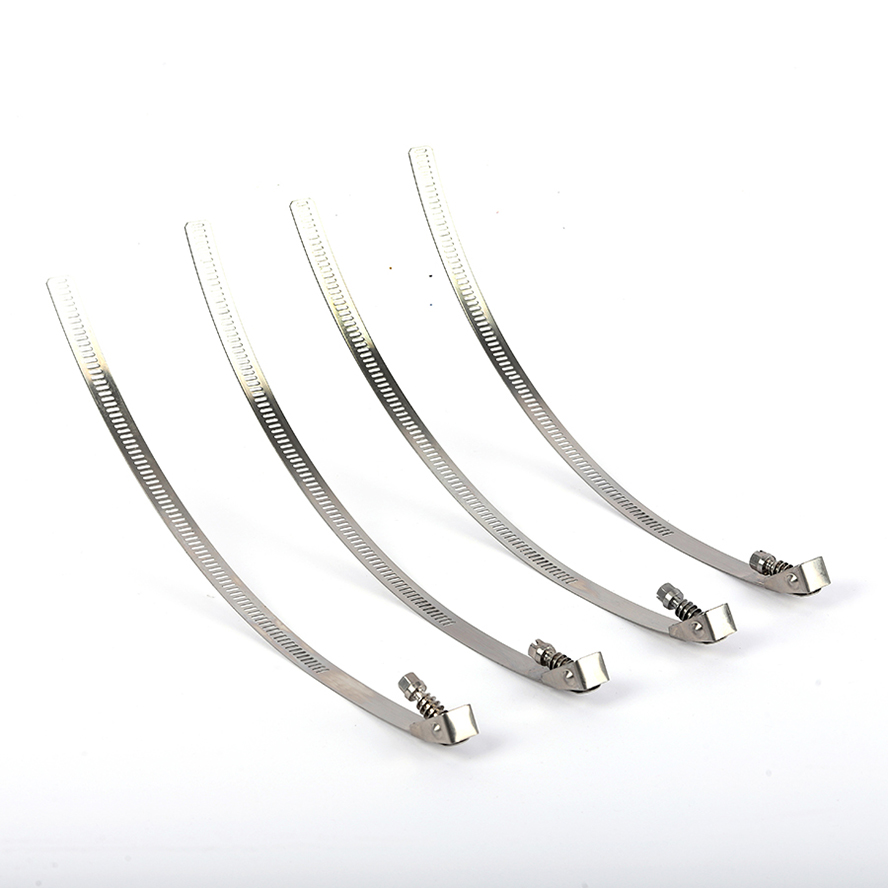
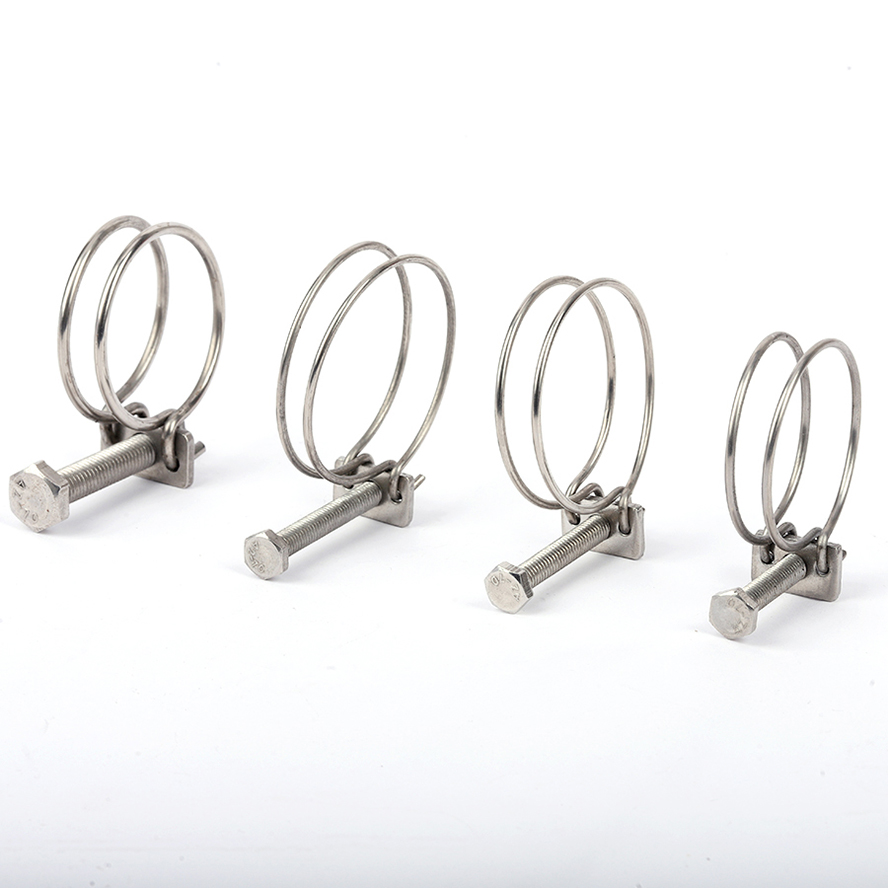
What is the application process of the clamp? Next we will give relevant introduction:
1. Use a pipe cutting machine to cut the steel pipe to the required length, and use a level to check the cut section to ensure that the cut section is perpendicular to the central axis of the steel pipe. If there are burrs in the cut, use a grinder to smooth it.
2. Clamp the steel pipe that needs to be grooved on the rolling groove machine and the tailstock of the rolling groove machine, and use a level to level it so that the steel pipe is in a horizontal position.
3. The clamp holds the processed end section of the steel pipe close to the rolling groove machine, so that the central axis of the steel pipe is perpendicular to the roller surface.
4. Press down slowly. Jack to make the upper pressure wheel close to the steel pipe, start the rolling groove machine and make the roller rotate once. At this time, pay attention to whether the steel pipe section is still close to the rolling groove machine. If not, adjust the pipe to the level. If it is tight, slowly press down the jack so that the upper pressure wheel evenly rolls the steel pipe to the predetermined groove depth.
5. When the clamp is stopped, use a vernier caliper to check the depth and width of the groove. After confirming that it meets the standard requirements, unload the jack and take out the steel pipe.
During the application process of the clamp, precautions must be taken, and attention must be paid to maintenance after use to extend its life.
Rubber soft joints use clamps to replace flanges and bolts. During installation, the two nozzles of the clamp-type rubber joints can be respectively set on the pipes to be connected at the same time, and the rubber joints are fixedly connected to the pipes through the clamps.